How To Stop Food Aggression In Dogs: NJ Expert Shares Tips & When To Get Help
Key TakeawaysFood aggression is a form of resource guarding, and dogs may freeze, stiffen, stare, growl, snap, or bite
Press Release Disclaimer: This is a press release distributed through the XPR Media network. It has not been independently verified by our newsroom.

Key Takeaways
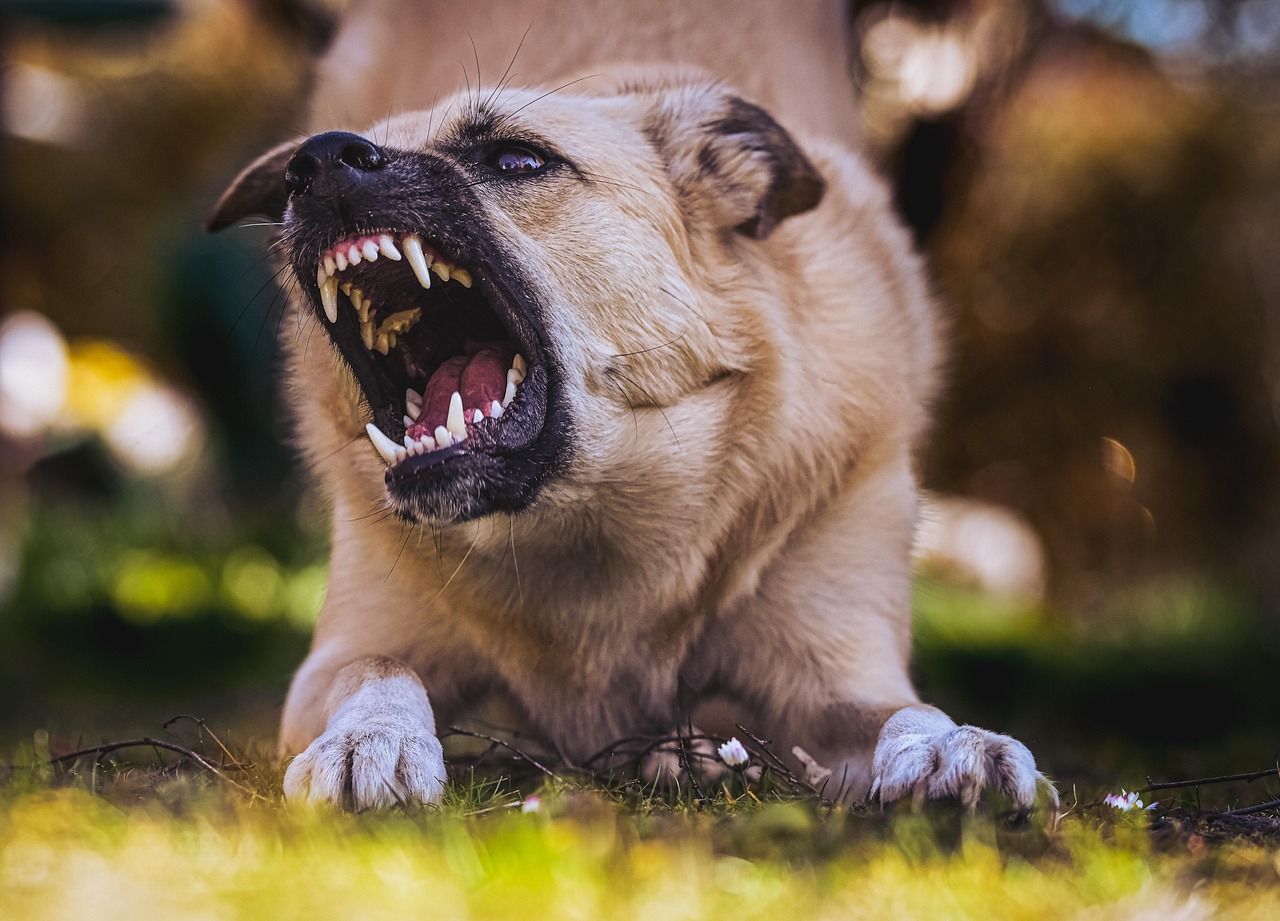
- Food aggression is a form of resource guarding, and dogs may freeze, stiffen, stare, growl, snap, or bite to protect their food
- Punishing a growl can remove a dog’s warning signal without resolving the underlying worry, which can raise the risk of a bite with no warning at all
- Certified dog trainer Rylee Rose of Rose Dog Training LLC advises feeding dogs separately, using a crate or closed door, and keeping children away from the bowl as practical ways to keep everyone safe while training happens
- Gradual, reward-based exercises can change how a dog feels about people approaching its food, but the right pace matters a great deal
- A qualified behavior professional should be contacted quickly if a dog has already bitten or if children are in the home
A dog that goes stiff over the food bowl, or growls when someone walks past, can turn mealtime into a source of daily stress for the whole family. This kind of reaction is called food guarding, and it happens more often than most pet owners realize. It almost always responds to patience, safety-first habits, and training that works with a dog’s emotions rather than against them.
Signs Your Dog Is Guarding Food
Food guarding does not always look dramatic. Some of the earliest signs are easy to miss because they are quiet rather than loud.
- Freezing or going stiff the moment someone walks near the bowl
- Eating faster as a person or another pet approaches
- A hard, unblinking stare, sometimes with the whites of the eyes showing
- Lowering the head over the food or turning the body to block access
- Growling or lifting a lip as a warning
- Snapping, lunging, or biting, which sit at the far end of the scale
The subtle signals almost always come first. A dog that stiffens today may growl next month if nothing changes, so catching the early signs gives training a much better chance of working before things escalate.
Why Dogs Guard Food
Guarding food is a natural behavior, not a sign that a dog is being stubborn or trying to take charge of the household. Dogs guard resources because, somewhere in their instinct or their personal history, protecting a valuable item made sense.
Common Triggers, From Instinct To Scarcity
Several factors can make guarding more likely to show up. Instinct plays a role, since protecting food has always helped dogs survive, and some individual dogs simply carry a stronger guarding tendency than others. A history of scarcity matters too; dogs who were once strays, lived in crowded shelters, or had to compete for meals often learn to protect every bowl that comes their way.
Competition at home can trigger the same response, since a curious cat or a pushy housemate dog hovering near the food can make a meal feel like it is at risk of disappearing. Older advice that tells owners to stick a hand in the bowl or pull food away to establish authority tends to backfire, since it teaches a dog that people approaching the bowl means losing the meal, which often makes guarding worse rather than better.
Pain or an underlying medical issue can also make any dog touchier at mealtime, since a sore tooth or an upset stomach lowers a dog’s tolerance for being approached.
When Sudden Guarding Means A Vet Visit
A dog that has never minded people near the bowl and suddenly starts guarding deserves a trip to the veterinarian before anything else. A sudden behavior change can point to pain or illness, and no amount of training resolves a physical problem like a dental issue or digestive upset. Ruling out a medical cause first helps make sure any training plan that follows is actually addressing the right problem.
Mistakes That Make Guarding Worse
Several common reactions to food guarding feel natural in the moment but tend to backfire. Avoiding these missteps protects both the relationship with the dog and the people around it.
Punishing The Growl
A growl is a dog’s way of saying it needs more space, not a behavior problem to be corrected on its own. Punishing the growl does not remove the dog’s underlying worry; it simply removes the warning that normally comes before a snap or bite. A dog that learns growling leads to punishment may stop growling altogether, which sounds like progress but actually raises the risk of a bite that comes with no warning at all.
Taking Food Away To Prove A Point
Grabbing the bowl mid-meal, reaching into the food, or taking it away just to demonstrate control confirms a guarding dog’s worst fear: that a person approaching means losing the meal. These actions tend to intensify guarding rather than resolve it, since they reinforce exactly the association that caused the behavior in the first place. Kids and food-guarding dogs need to be kept apart during meals, without exception, since letting children practice near the bowl carries real risk.
Keeping Everyone Safe At Mealtime
Training takes time, but safety cannot wait for that process to finish. Setting up mealtimes so nobody gets hurt is the first and most important step while longer-term training is underway.
For immediate safety, feeding the dog alone in a separate room, inside a crate, or behind a secure barrier like a baby gate gives the dog space to eat without feeling the need to guard. The dog should be left undisturbed while eating, since even a person simply walking past can trigger tension in a dog that is already on edge.
Separate Feeding For Multiple Pets
Homes with more than one pet need a clear feeding routine that keeps animals apart during meals. Feeding dogs separately, keeping other pets out of sight during the guarded dog’s mealtime, and picking up bowls once everyone has finished eating all reduce the chances of a scuffle breaking out over food. The same approach applies to other guarded items, such as chews, toys, or anything else a dog might treat as valuable enough to protect.
Keeping Kids Clear Of The Bowl
Children should never approach or participate in training near a dog that guards food. Making mealtime an adults-only zone, every single time, removes one of the most common ways that children get hurt around dogs at home. This separation is not a punishment for the dog or a restriction forever; it is simply a safety measure while training works on the real problem underneath the behavior.
Gradual, Reward-Based Training That Helps
Once safety measures are in place, gradual and reward-based training can start to change how a dog actually feels about people being near its food. The goal is not to force the dog to accept something uncomfortable, but to slowly rewrite what an approach means.
Building A Positive Association With Approach
A practical way to begin is by approaching only as far as the dog remains relaxed, then tossing a treat toward the bowl and stepping away again. Over repeated, short sessions, the dog starts to anticipate that a person approaching predicts something good rather than something to fear, and the distance at which treats are offered can be gradually shortened as comfort grows. A dog approached while eating can perceive a person as a threat to take the food away, and changing that association gradually through rewards works better than punishment or intimidation.
Teaching A Trade Instead Of A Takeaway
Rather than simply taking a guarded item away, offering a trade teaches a dog to give something up willingly in exchange for a reward of equal or greater value. A high-value treat tossed a short distance from the item can create enough space to retrieve it safely, and over time the dog learns that giving something up leads to a good outcome instead of a loss. This kind of trade exercise builds a habit of cooperation rather than confrontation, which matters just as much for everyday items as it does for food.
Slowing Down If Your Dog Stiffens
If a dog stiffens, stares, or growls at any point during a training exercise, the right response is to pause and increase distance rather than push forward. Returning to an earlier step where the dog was relaxed, and waiting until comfort is reestablished before trying again, keeps progress steady instead of risking a setback. Rushing the process, even with good intentions, tends to undo weeks of careful work in a single session.
When To Call A Behavior Professional
Some situations call for expert help right away rather than a slow, do-it-yourself approach. A dog that has already bitten someone, a household with young children, or guarding behavior that is spreading to more items or more situations are all signs that the stakes are too high to manage alone.
A qualified behavior professional can assess bite risk, build a safety plan suited to the specific home and family, and guide the training process step by step so it moves at a pace that protects everyone involved.
Safe Management And Patience Change Mealtime
Food guarding feels personal when it shows up at home, but it is rarely about dominance or bad behavior. It is almost always about worry, and worry can change with the right combination of safety, patience, and gradual, reward-based training. For families ready to start that process with practical, step-by-step guidance, in-home dog training for food aggression is a useful next step toward calmer, safer mealtimes.
Rose Dog Training LLC
2 West Washington Avenue #204
Washington
NJ
07882
United States